CONTROL AT EVERY STAGE OF PRODUCTION

QUALITY CONTROL

Quality control begins with the reception of the olive fruit and continues throughout the entire journey of the olive oil: pressing, storage, bottling, and distribution.

At the AVRILIONIS olive mill, every stage of the process is monitored, aiming to properly manage the fruit, preserve the quality characteristics of the olive oil, and ensure the reliable categorization of the final product.

FRUIT AND PRODUCTION PROCESS CONTROL

Upon reception, the olive fruit is checked for any spoilage and categorized according to its condition, quality, and degree of ripeness.

The pressing process is then adapted according to the fruit’s characteristics. Temperature, malaxation time, and the critical stages of processing are monitored, so that the olive oil is produced under controlled conditions.

After production, the olive oil is evaluated, categorized, and directed to the appropriate storage tanks.

Chemical / Organoleptic Testing

The olive oil may undergo chemical and organoleptic testing, depending on the product category, customer requirements, and the market it is intended for.

The tests may include:

  • Acidity testing
  • Organoleptic assessment for defects
  • Organoleptic assessment of characteristics, such as fruitiness, bitterness, and pungency
  • Chemical tests for basic quality parameters
  • Chemical testing for sterols
  • Testing for pesticide residues
  • Testing for mineral oils or other specific markers, where required

CERTIFICATIONS AND STANDARDS

The unit’s operation is supported by certifications and procedures covering food safety, bottling, and the distribution of olive oil in the Greek and international market.

PDO Kalamata

Certification for the production, bottling, and/or distribution of PDO Kalamata olive oil, in accordance with the required specifications.

Organic Olive Oil

Certification for the production, bottling, and trading of organic extra virgin olive oil.
Agrocert ​

Certification concerning products with a Protected Designation of Origin and/or Protected Geographical Indication, in accordance with the respective specifications.
HACCP

A management system for food hygiene and safety, with control of critical points in the production process.
GS1 Greece

A coding and labeling system for products, enabling their organized distribution in the Greek and international market.
ISO ​

Operating certification in accordance with the international standard for food safety and the organization of related procedures.

BIO HELLAS

Certification covering the production, bottling, and trading of organic extra virgin olive oil.
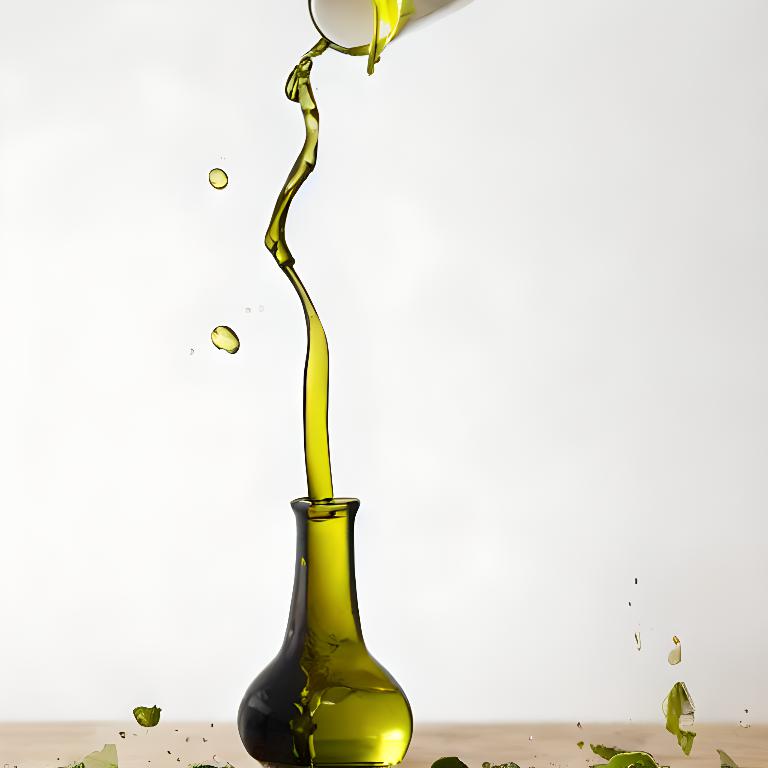
Traceability

The product's journey is monitored from the reception of the olive fruit through to storage and bottling, ensuring a clear picture of its origin, category, and management.
STORAGE

Proper storage is a critical stage in preserving the quality of the olive oil.

At our facilities, we have the capacity to store more than 1,100 tons of olive oil, in stainless steel tanks and specially designed spaces, aiming to maintain stable and suitable conditions.

After evaluation and categorization, the olive oil is stored according to its characteristics and the needs of its next use: trading, bottling, or export.

Α family journey in olive oil since 1964.
A modern olive mill in Gargalianes, Messinia.

oliveoil@avrilionis.gr